Why Minimizing Toxins Matters
You Deserve to Feel Good—Every Day
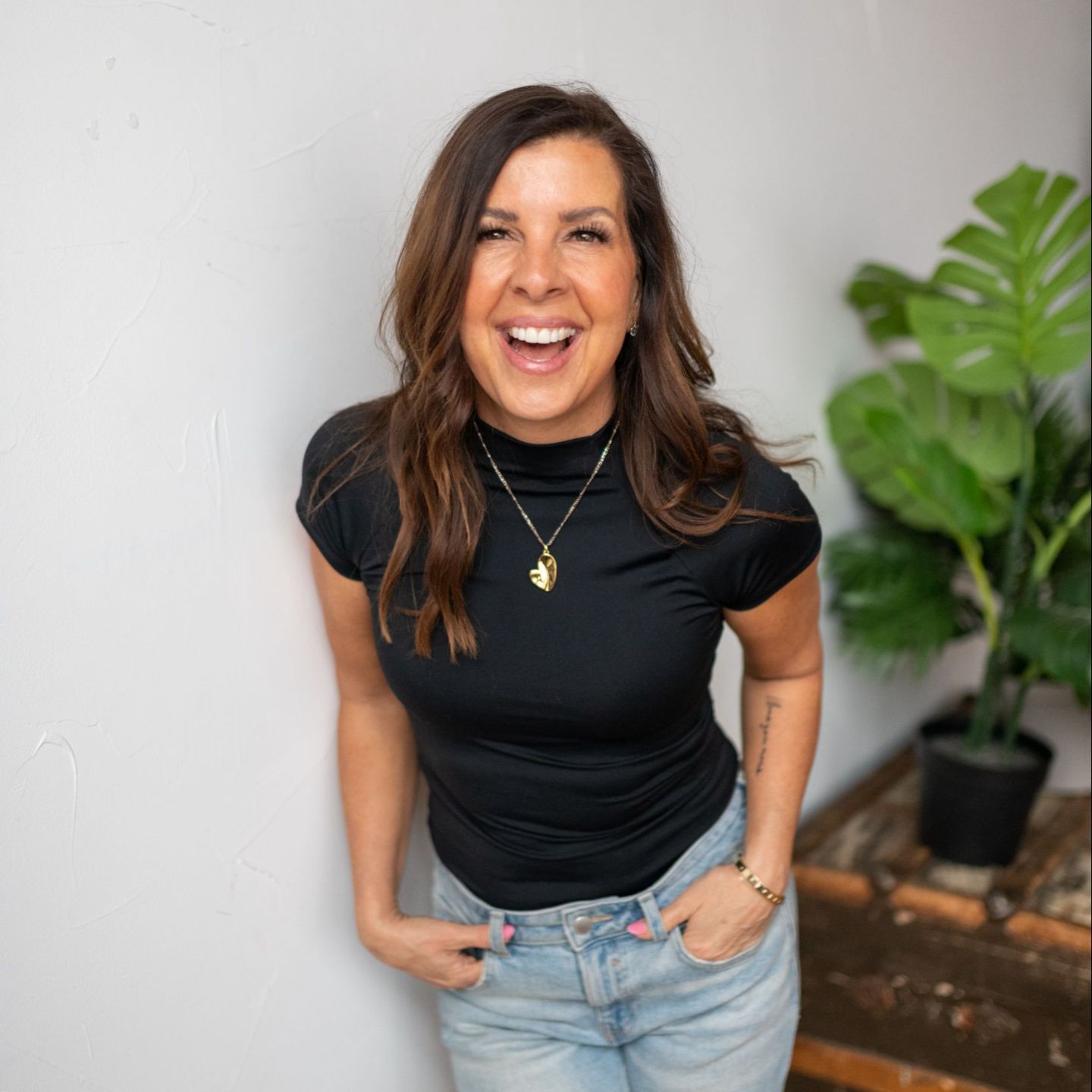
When I was diagnosed with breast cancer, my world shifted. I began to look deeper at the products I was using, the food I was eating, and even the air in my home. I realized that many of the “everyday” items in our lives are quietly disrupting our health, and no one was really talking about it. This guide isn’t just a list of swaps; it’s a way to take back control of your wellbeing, one simple change at a time.
What Are Endocrine-Disrupting Chemicals (EDCs)?
EDCs are synthetic or naturally occurring chemicals that can interfere with your body’s hormonal system. Hormones are like tiny messengers that help regulate everything from your sleep, metabolism, and energy to your mood, fertility, and immune function.
These chemicals mimic or block hormones, especially estrogen and thyroid hormones, confusing your body and throwing your natural balance out of sync.
You’ll find them in:
- Fragrances (even “natural” ones)
- Skincare + makeup
- Cleaning products
- Plastics and food packaging
- Candles and air fresheners
- Nonstick cookware and receipts
Why This Is a Big Deal
Long-term exposure to EDCs has been linked to:
- Hormone-related cancers (like breast, prostate, and ovarian)
- Thyroid issues
- Fertility struggles
- Early puberty
- Autoimmune conditions
- Brain fog, fatigue, and mood disorders
- Weight gain and blood sugar imbalances
You may not see the effects overnight, but your body carries the burden quietly until something tips the scale.
What Happens When You Reduce Exposure?
The amazing thing is your body wants to heal. When you start eliminating these disruptors and support your body with clean, nourishing alternatives, many women report:
- Can help prevent disease or recurrence
- Balanced mood and energy
- Better sleep
- Easier periods and fewer PMS symptoms
- Improved focus and reduced anxiety
- Feeling more you
You don’t need to be perfect to feel a difference. Even a few intentional swaps can lower your toxic burden and help your hormones do what they’re meant to do.
Fun Fact:
Research shows that when people switch to clean personal care products, levels of hormone-disrupting chemicals in urine drop in just 3 days. (Study: Zota et al., 2016, Environmental Health Perspectives – PubMed ID: 27003765).
Kitchen Favorites
Click on the Image to Learn More ⬇️
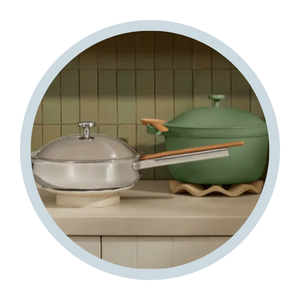
Titanium pan
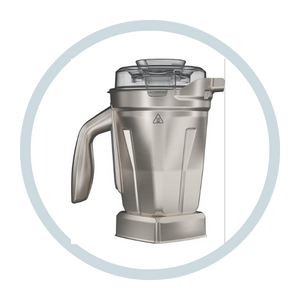
Stainless steel blender
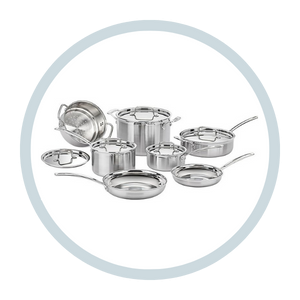
Stainless steel pots and pans
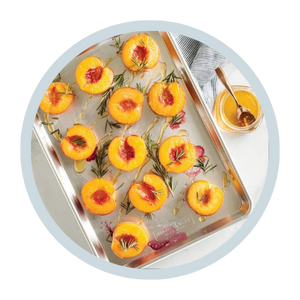
Stainless steel baking sheets
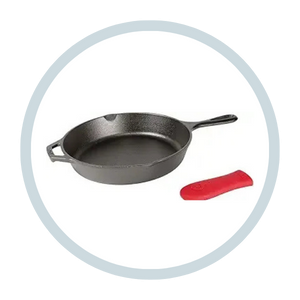
Cast Iron pan
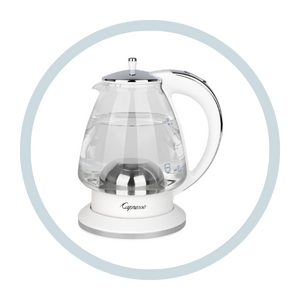
Tea Kettle
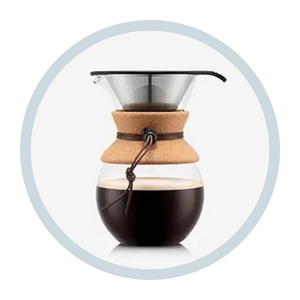
Pour Over coffee

Olive wood cooking utensils
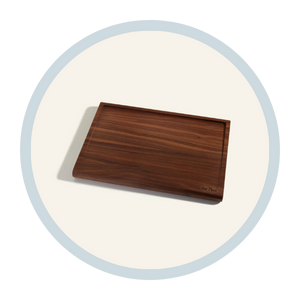
Walnut wood cutting board
House Hold Favorites
Click on the Image to Learn More ⬇️
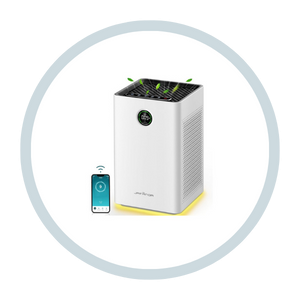
Air purifier
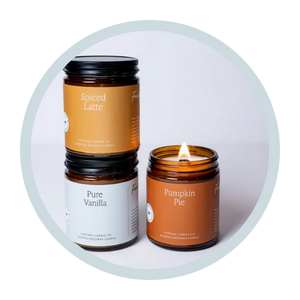
Candles (fontana)
Books
Click on the Image to Learn More ⬇️
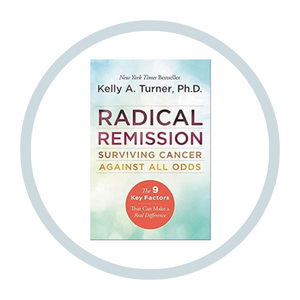
Radical Remission
by Kelly A Turner
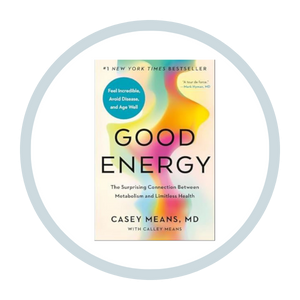
Good Energy
by Casey Mean
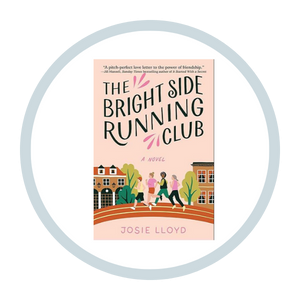
The Brightside Running Club
by Josie Lloyd
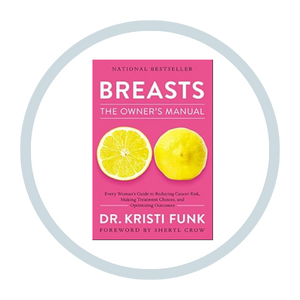
Breasts
by Dr. Kristi Funk
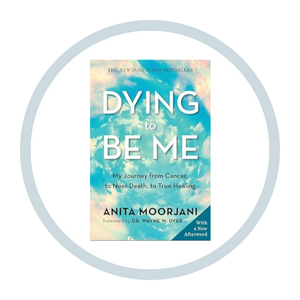
Dying to be me
by Anita Moorjani
Skincare + Makeup Favorites
Click on the Image to Learn More ⬇️
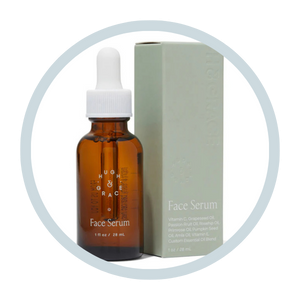
Face Serum
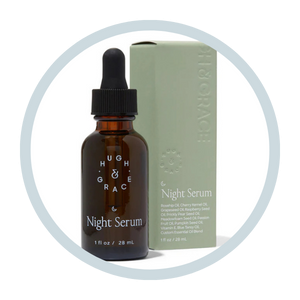
Night Serum
(I also use as my under eye)
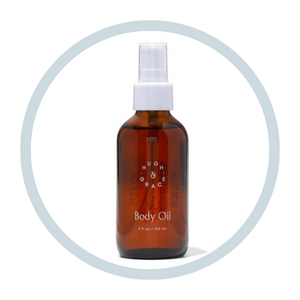
Body oil from H&G
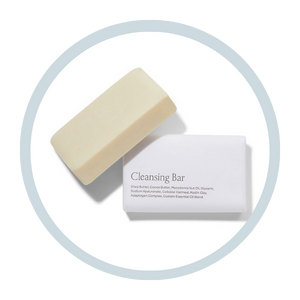
Cleansing Bar from H&G
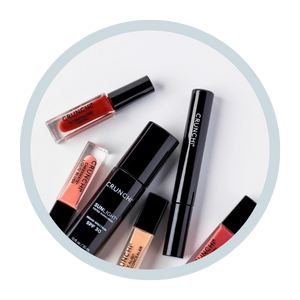
Crunchi makeup
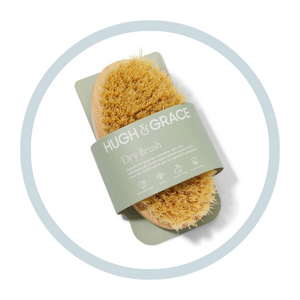
Dry brush from H&G
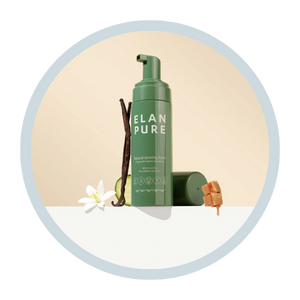
Nontoxic Spray Tan
(use jen10 for 10% off)
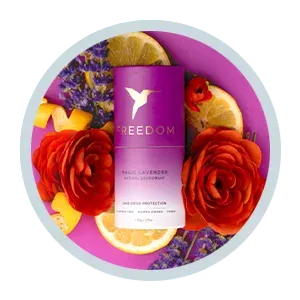
Safe Deodorant
Consumable Favorites
Click on the Image to Learn More ⬇️
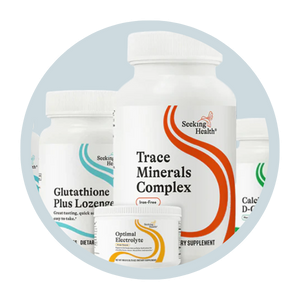
Seeking health supplements
Discount code: JenDelvaux
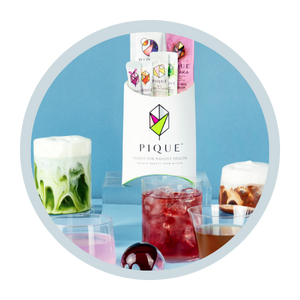
Pique tea
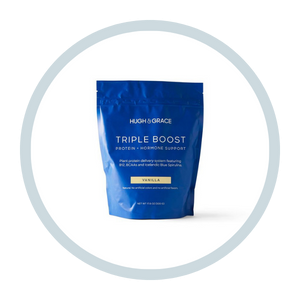
Triple Boost
With Icelandic Blue spirulina
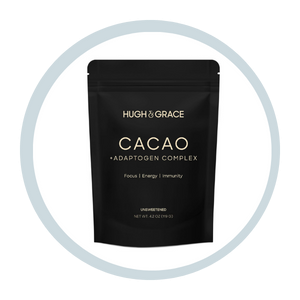
Organic ceremonial Cacao
with 4 functional mushrooms
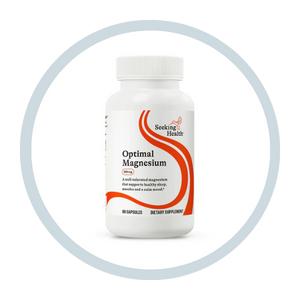
Magnesium
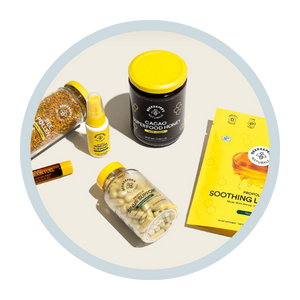
Beekeepers naturals
(medicine cabinet)
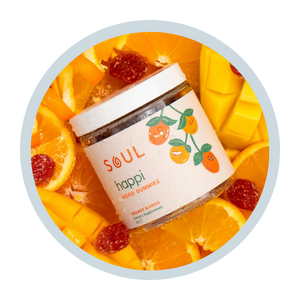
Soul CBD
I love the sleepi gummy and the Happi Gummy
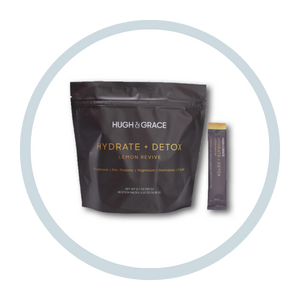
Hydrate & Detox
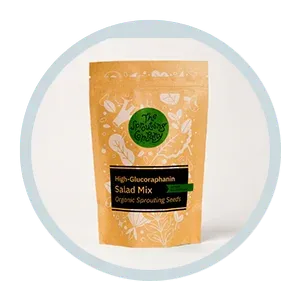
Favorite Broccoli Sprout System
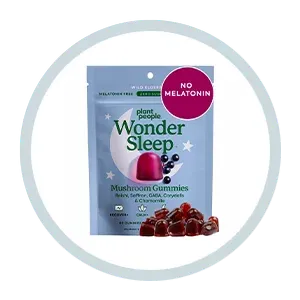
Sleepi Gummy
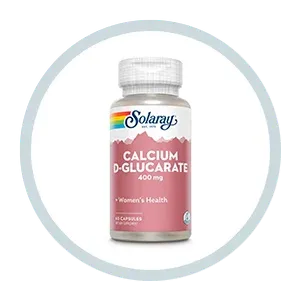
Calcium D-Glucarate
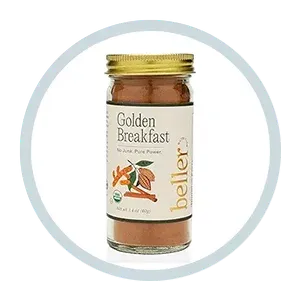
Beller Naturals
Fitness Favorites
Click on the Image to Learn More ⬇️
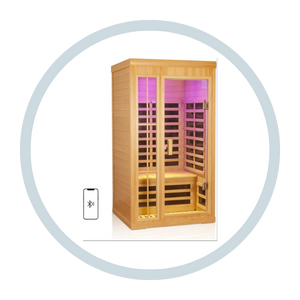
Sauna
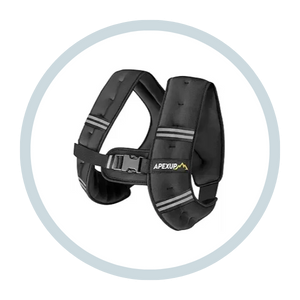
Weighted vest
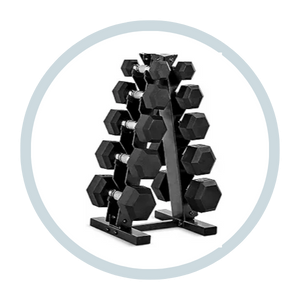
Weights
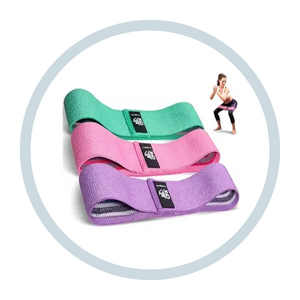
Bands
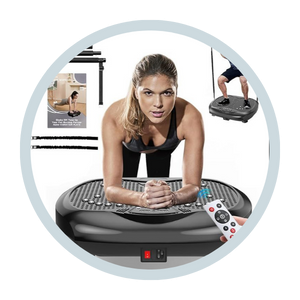
Vibration plate
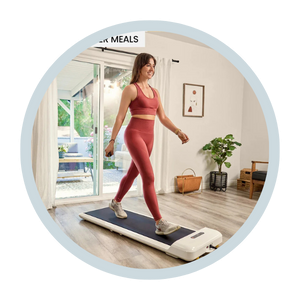
Walking Pad
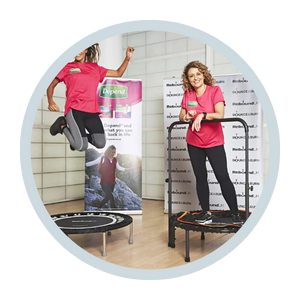
Rebounder
discount code jendelvaux
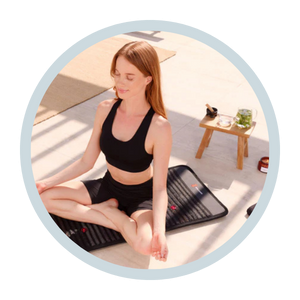
EMF Mat
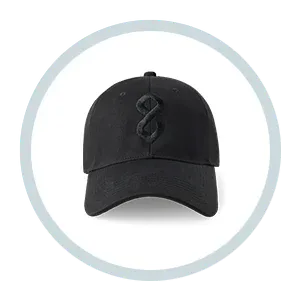
Boncharge Red Light Hat (Hair Growth)
use code JENDELVAUX for a discount
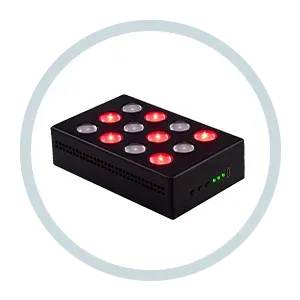
Boncharge Mini Box Light
use code JENDELVAUX for a discount
Additional Favorites
Click on the Image to Learn More ⬇️
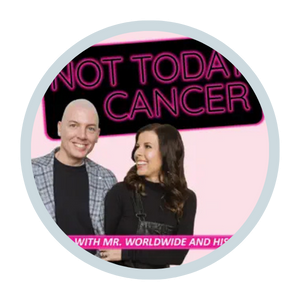
Not Today Cancer
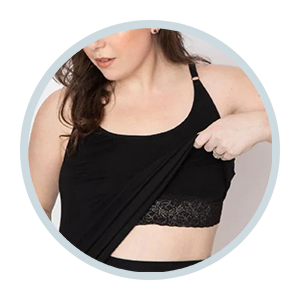
Anaono
All Masectomy/Explant/Lumpectomy Lingerie; From bras, underwear, loungewear, radiation cream to nipple covers - It's pretty incredible!
Midi Health
This Is About Empowerment, Not Perfection
This isn’t about fear — it’s about freedom.
Freedom to choose what goes on and in your body.
Freedom to support your health with intention.
Freedom to show up for yourself and your family in a stronger, more vibrant way.
Additional Information About EDCs
Common Endocrine Disruptors to Watch Out For Endocrine disruptors are often hidden in everyday products.
Here are a few to know about:
- Phthalates: Found in plastics (food packaging, toys), cosmetics, and personal care items.
- BPA (Bisphenol A): Found in plastic containers, canned food linings, and receipt paper.
- Parabens: Used as preservatives in cosmetics, personal care products, and pharmaceuticals.
- Triclosan: An antimicrobial found in soaps, toothpaste, and detergents.
- Flame Retardants: Found in furniture, electronics, and building materials.
- Pesticides: Used on crops and in insecticides.
- UV Filters: Found in sunscreens and personal care items.
These chemicals can enter your body through what you eat, breathe, or touch. They’re also common in fragranced products, cleaners, and vinyl materials.
Safer Alternatives to Reduce Exposure
Food and Drinks
- Choose organic produce to avoid pesticide residues.
- Use fresh or frozen foods instead of canned.
- Store food in glass or stainless steel instead of plastic.
Personal Care
- Swap lotions for natural oils like shea butter or coconut oil.
- Use essential oils for fragrance instead of synthetic perfumes.
- Choose makeup free of parabens and other harmful chemicals.
- I’m sharing my favorites next.
Household Products
- Clean with natural options like vinegar, baking soda, or essential oils.
- Avoid plastic toys—opt for wood, cotton, or silicone instead.
- Install HEPA air filters to reduce pollutants.
- Use water filters that remove EDCs like BPA and pesticides.
Other Tips
- Avoid thermal paper receipts (often contain BPA/BPS).
- Ditch non-stick cookware—use cast iron or stainless steel instead.
- Choose products labeled BPA-free and avoid plastics marked #3, #6, or #7.
- Look for certifications like MADE SAFE, which ensures products are free of harmful chemicals.
© 2025 Jen Delvaux | Privacy Policy